

Whether we like it or not, trends are all around us and influence our thinking and living. They sneak into our lives through social media, glossy magazines, and our favourite shops. Design-oriented businesses primarily focus on trend market research, so it’s no surprise we see similar ideas reproduced differently.
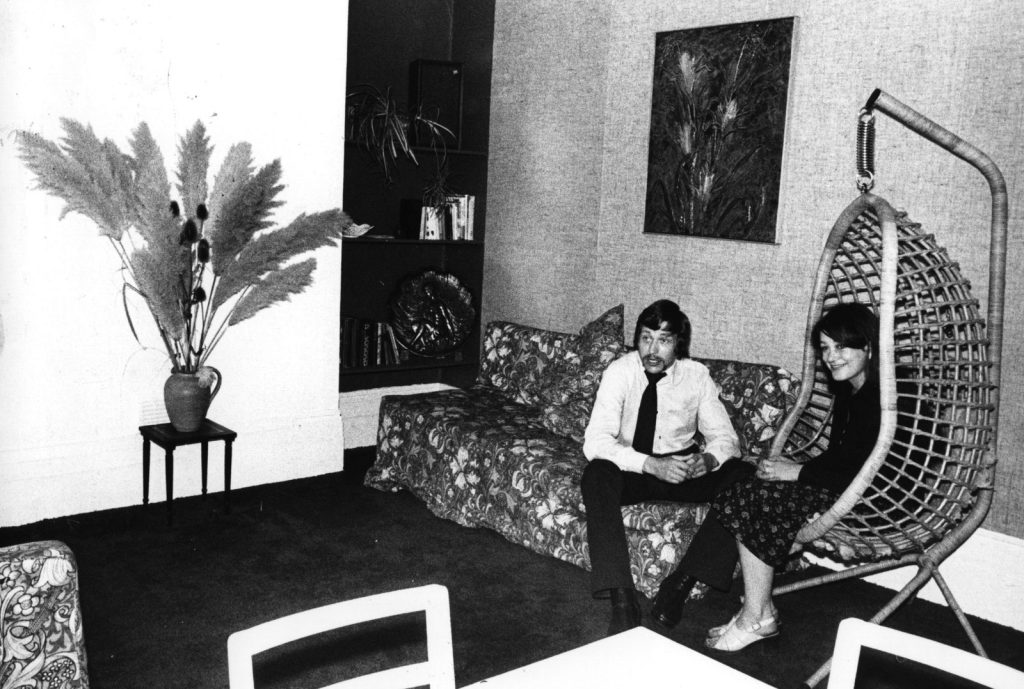
1970s interior: Hulton Collection 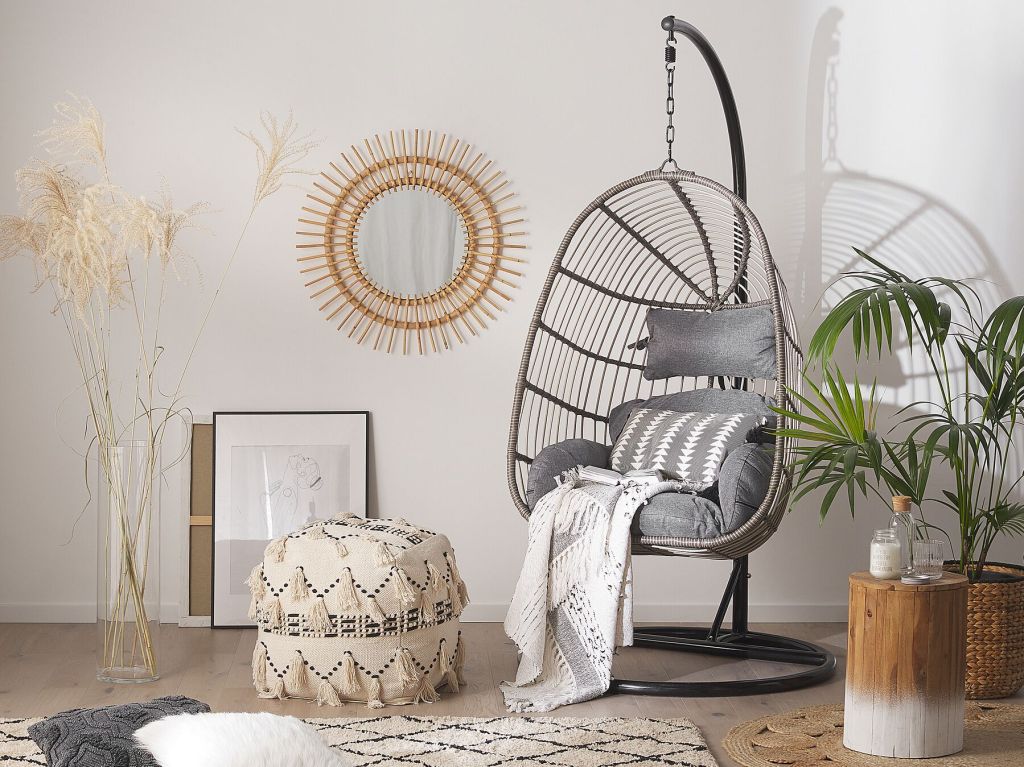
2021 interior: Beliani
As an interior designer, trends try to sneak into most projects, and I like to think I reject them in favour of long-lasting, classic designs. However, there’s one trend I am fully on board with – adaptive reuse.
What is adaptive reuse?
We’re talking about a simple concept that is still largely in its infancy even though most of us will have partaken in it without realising. It is about taking an existing thing – be that a building, material, or product – and adapting it to be reused in a new situation or context. Though simple, it is one of the most sustainable interior design strategies as you can continue adapting and reusing things infinitely, providing they are initially well-made.
I suppose trends in themselves are a form of adaptive reuse as we select fragments of stylish interiors from decades ago and find new and innovative ways to reuse them in contemporary interiors. In some ways, this can be sustainable as we reinvent and reuse vintage items, revelling in their stories. In other ways, large corporations take advantage of trends and mass-produce copies, leading people to fill their homes with low-cost, temporary décor.
To make the process of adaptive reuse sustainable, you need 3 things:
- Good spaces
- Good materials
- Good people
Environmental sustainability
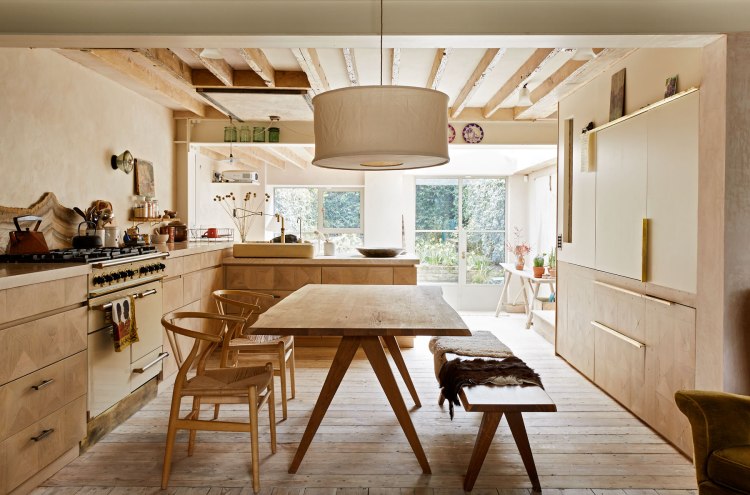
Adaptive reuse is, at its core, environmentally sustainable. By taking something existing and adapting it, you reduce waste, extend its lifespan and remove the need to purchase something else new. This applies to buildings, products, and materials.
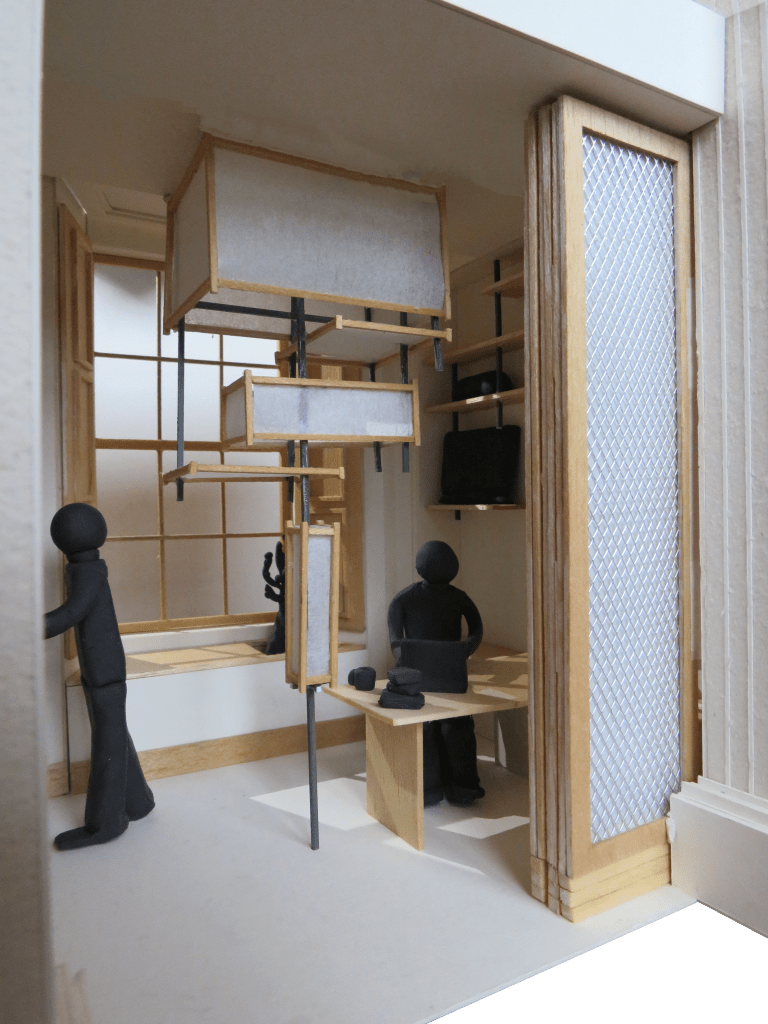
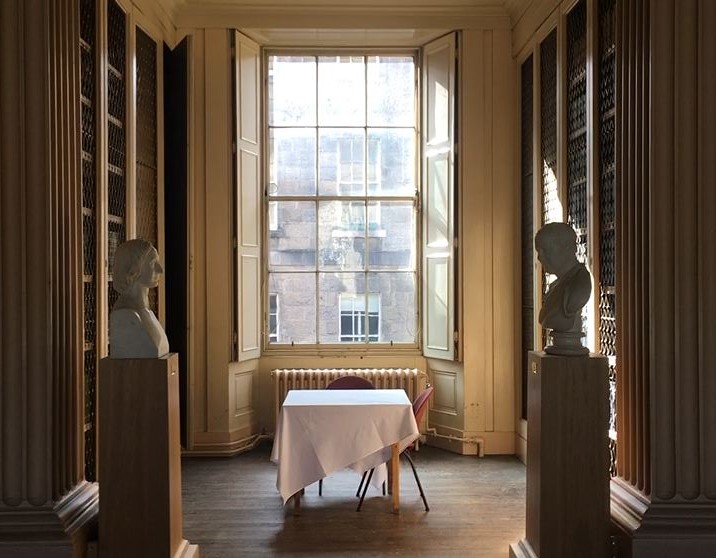
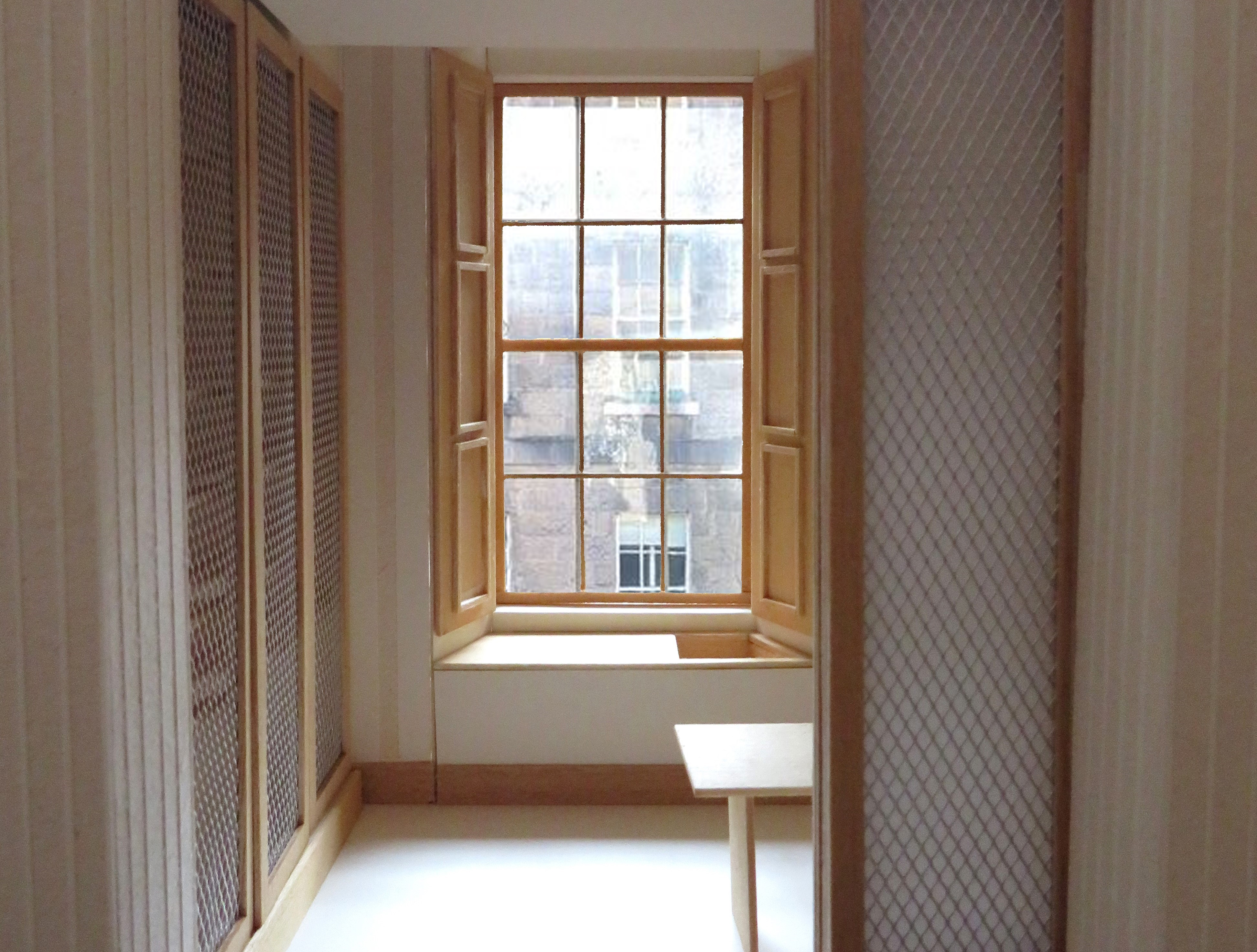
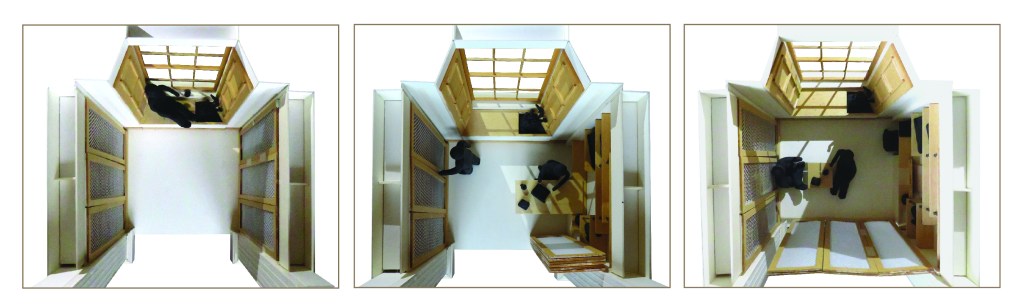
The project shown here is for Edinburgh’s Playfair Library, which required an adaptation of the reading carrels into study spaces for future students. All the historic elements in the space were retained but adapted for more contemporary uses. The solid timber elements concealed under layers of paint were stripped and treated to reveal the material’s natural beauty. These elements have already been here for 200 years, and they could last another 200. The design involved retaining the metal lattice bookcase doors and reworking some of them to become folding partitions. This created a more flexible, enhanced space, celebrating the high-quality materials and extending its lifespan. In this project, without removing anything and only adding minimal elements, I adapted the space for sustainable future use.
Social sustainability
When considering sustainability, it’s easy to focus on the environmental aspects, but it’s essential to look beyond it. Behind everything we use are people, which makes adaptive reuse a more socially sustainable option. When you buy a new mass-produced piece of furniture or textile, do you ever think about the people who designed and made the piece? We rarely consider the construction process, especially when the price is so important to us. However, continuing to buy into the large corporation, mass-producing industry is not socially sustainable.
By choosing to purchase a good quality, pre-used item of furniture, you are not only investing in the piece but in the people who designed and constructed it. It’s then possible to further invest in talented craftspeople who can use their skills to adapt the piece for continued reuse in the future. Similarly, buying new furniture can still be socially and environmentally sustainable if you purchase quality pieces that are ethically sourced and well-made. Adaptive reuse doesn’t just concern old pieces; it also involves considering how something can continue to adapt and be reused in the future. Thinking in this way helps to reduce waste by being more considerate about the things we buy.
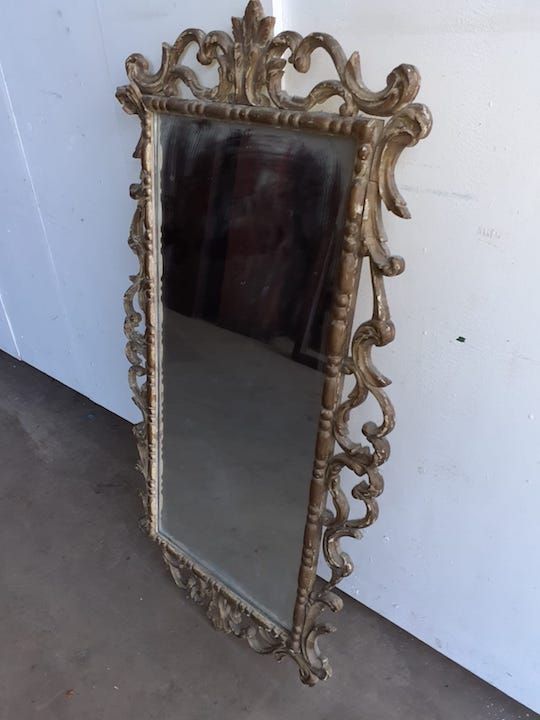
Antique 1920s mirror – £95 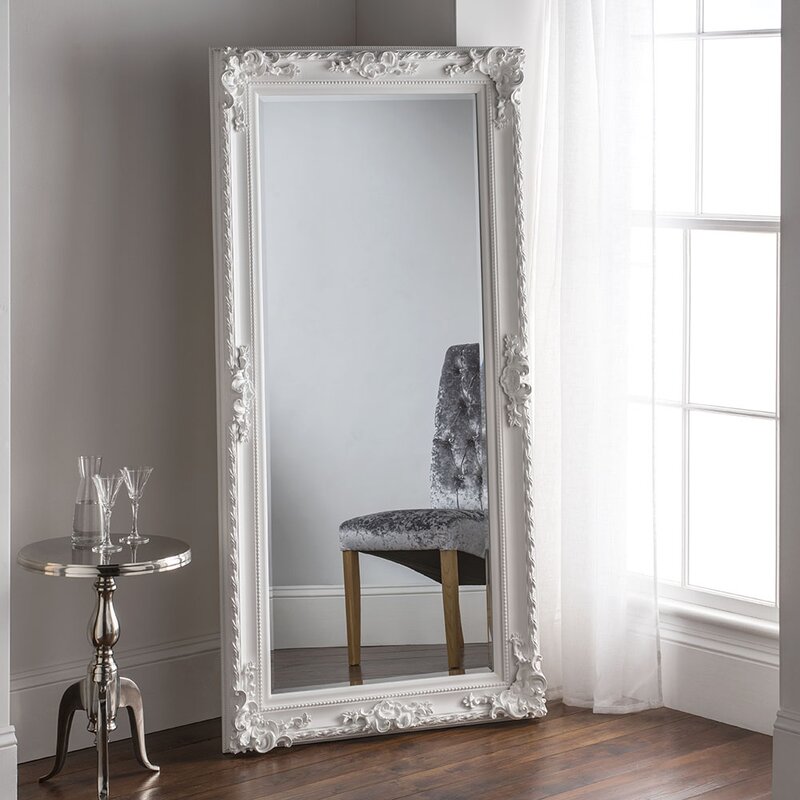
Mass-produced antique-inspired mirror – £380
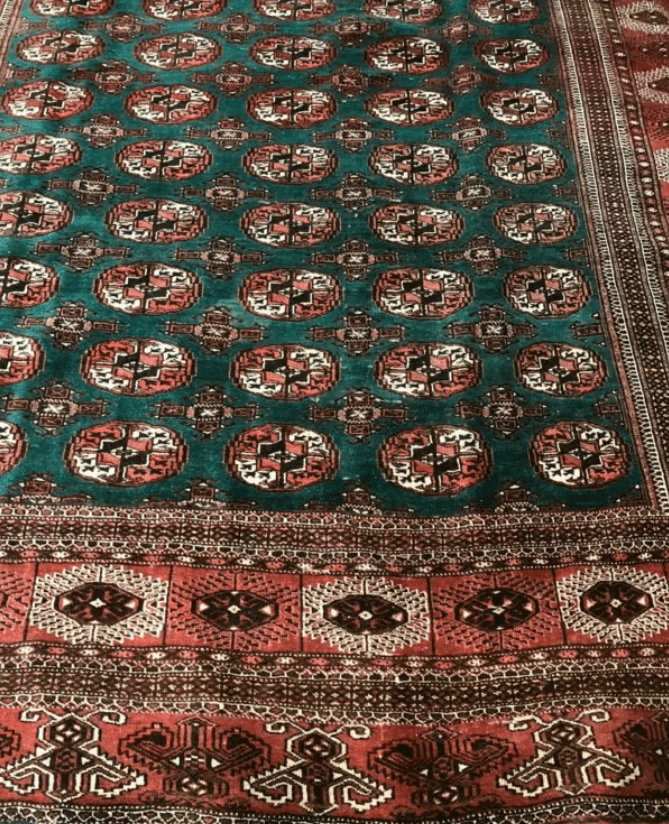
Hand-made pre-used Persian Rug – £190 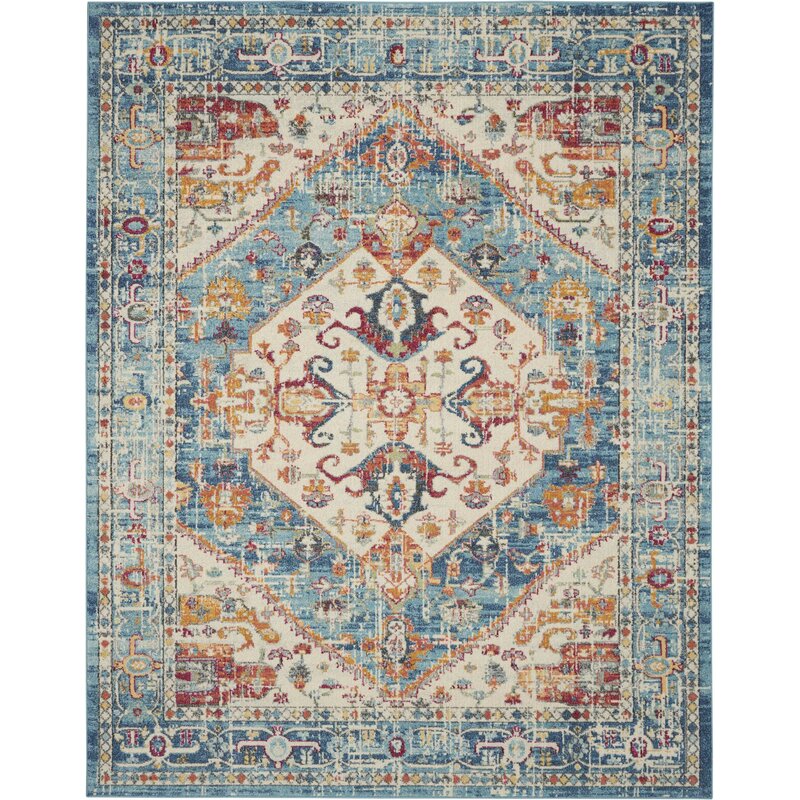
Machine-made, mass-produced rug – £46
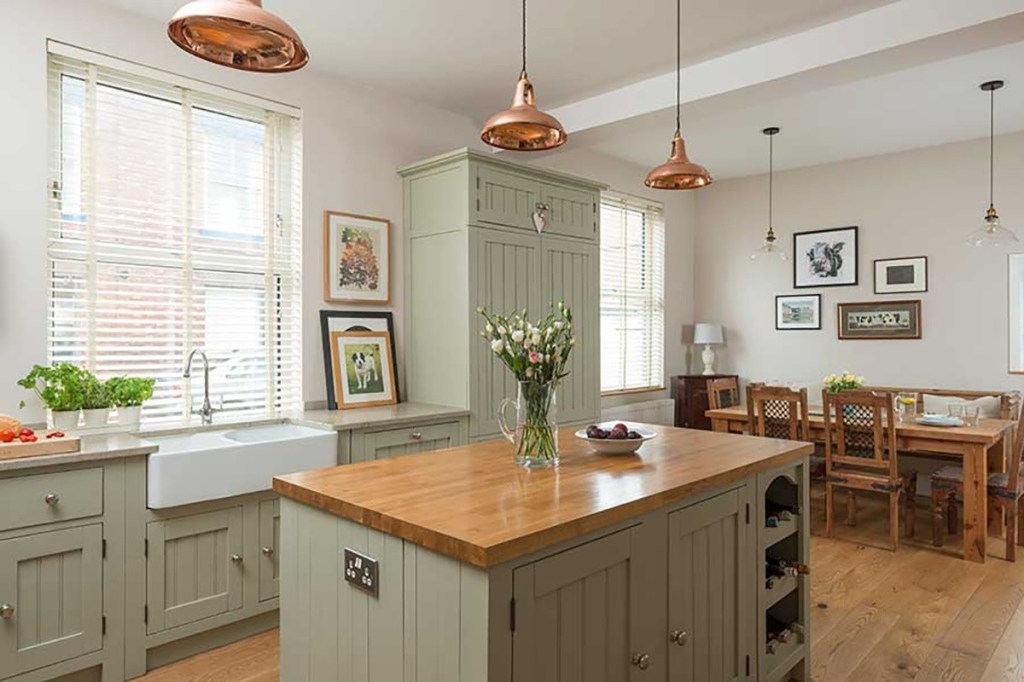
British sourced and made solid oak freestanding kitchen – a similar price to… 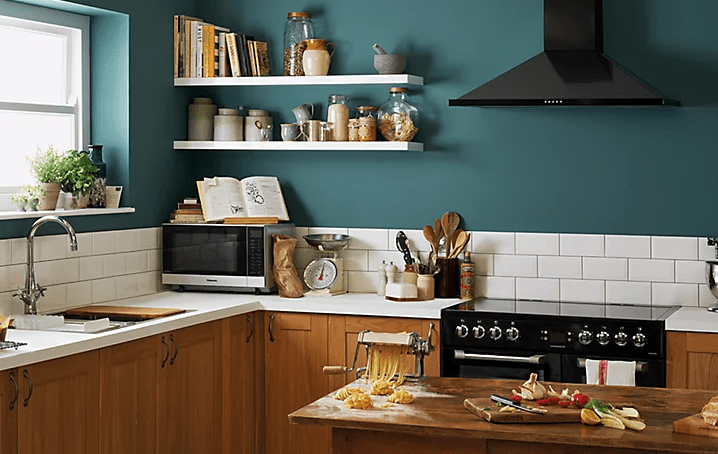
Mass-produced chipboard cabinets and wooden doors fitted kitchen
Economic sustainability
As you can see from the above pieces, a pre-used item can be cheaper and is always more characterful than a new piece, but can also be more expensive due to the nature of its construction. A handmade piece will typically be more costly than a machine-made, even if it’s second-hand. This is due to the hours and craftsmanship that has gone into it, not to mention the better quality, long-lasting materials. So how exactly might we define what is economically sustainable?
The problem with mass-produced ‘trendy’ products is that they are bought cheaply, with no consideration to their longevity or what will happen to them after they have gone out of style. We’ve all seen pieces we like in a high street shop and picked them up on a whim, even if we don’t necessarily want or need them. However, investing in a well-made piece constructed of good, natural materials will always last longer and is much easier to adapt and reuse if it ceases to function as intended. Considering what we purchase for our homes and how we will use them long-term will be more economically sustainable.
Something to move forward with
If you seek a more environmentally, socially, and economically sustainable home interior, start with taking more consideration over the things you buy and things you currently own.
- What is the reason for wanting or needing a piece for your home?
- Is it a temporary want or a long-lasting need?
- How long will you use it?
- How long will it last in total?
- Can it be adapted and reused in the future?
- Could it eventually be recycled?
Consider how the piece will fit in your space, the quality of the materials, and the people who created it. We can’t, and won’t, be perfect all the time, but taking more consideration is the first step.
Remember, adapting and reusing an existing building, material or product is one of the most sustainable, and enjoyable, options, so start with what you already own!
 cooperinteriors.co.uk